
Mornings for the mountains, afternoons on the water, and the small local habits that turn a two-night stop into the part of the trip people talk about.
Most people arrive in Pokhara with a plan: two nights, then the trail. The valley usually rearranges that plan for them by the second morning.

The morning is the point
The mountains are clearest between first light and about nine, then the haze comes up off the valley floor and they withdraw for the day. This single fact should shape a stay here more than any itinerary.
Wake early, take the coffee outside, and let the range do what it does. Sarangkot and the ridges get the crowds, but the lake shore in front of Lakeside is quiet at that hour and the reflection is better from low down.
Where to eat, slowly
Food in Pokhara rewards unhurried people. Dal bhat is the honest choice and comes with refills; the lakeside kitchens also do good Newari plates, freshly caught fish from the lake, and coffee grown in the hills around the valley.
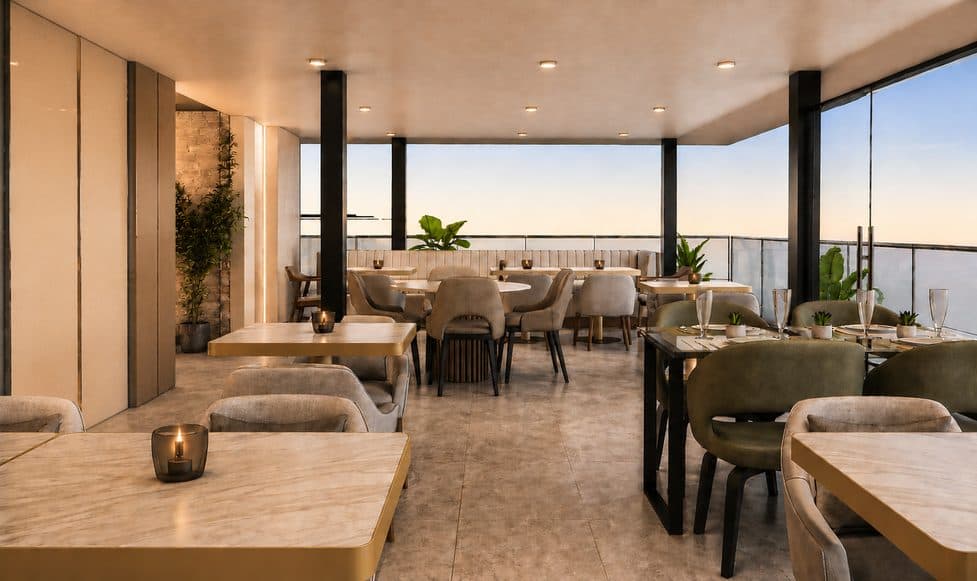
- Order dal bhat at least once, and accept the second helping
- Ask what the fish is before you order it — it changes with the season
- Nepali coffee is grown close by; it travels about four hours to reach the cup
Afternoons belong to the water
The wind picks up over Phewa around midday and drops again towards evening. Between those two, a rowing boat is the best seat in the valley. Cross to the far shore and walk up through the forest to the World Peace Pagoda, or simply drift and let the boatman point things out.
The valley has a way of turning a two-night stop into a week. Nobody who has done it regrets it.
Evenings, and then quiet
Lakeside gets lively after dark and stays that way, but it is a short walk out of it in either direction to something calmer. The light on the water after sunset is the thing most people photograph badly and remember perfectly.

Sleeping well matters more than you think
If you are heading onto the Annapurna trails afterwards, the last proper bed before the mountains is worth choosing carefully — and the first one after is worth even more.

What to actually pack
- Layers — the mornings are cold and by eleven you will want a shirt
- Real shoes if you plan to walk up to the Pagoda; the forest path is steep and often wet
- A power bank; the valley is well served but the trails are not
- Less than you think, and a book for the boat
Come for two nights. Stay for four. Everyone does.